
How to Learn the Holy Quran and Tajweed: A Complete Step-by-Step Guide
Learning the Holy Quran is one of the greatest and most rewarding journeys a Muslim can undertake. The Quran is not only meant to be read but to be recited correctly, understood deeply, and lived by. For this reason, learning Tajweed—the rules of Quranic recitation—is essential for anyone seeking to connect with the Quran in the way it was revealed.
This comprehensive guide explains how to learn the Quran step by step, the importance of Tajweed, and the best methods for both children and adults.
Why Learning the Quran Is Essential for Every Muslim
The Quran is the foundation of Islamic belief and practice. It guides Muslims in worship, character, family life, and interactions with others.
The Revelation of the Quran
- Strengthens faith (Iman)
- Builds a direct connection with Allah
- Brings peace and clarity to the heart
- Earns continuous rewards (Hasanat)
- Shapes good morals and behavior
Learning the Quran is not limited by age—children, adults, and seniors can all begin this blessed journey.
Understanding the Difference Between Reading and Learning the Quran
Many people can read the Quran, but learning the Quran goes beyond basic reading.
Learning the Quran Includes:
- Correct pronunciation of Arabic letters
- Applying Tajweed rules
- Memorization (Hifz), if possible
- Understanding meanings and lessons
- Consistent daily practice
At the age of 40, the Prophet would frequently retreat to the Cave of Hira, near Makkah, to reflect and worship Allah.
Step 1: Learning the Arabic Alphabet Correctly
Before reciting the Quran, learners must become familiar with Arabic letters and sounds.
What to Focus On:
- Letter shapes and names
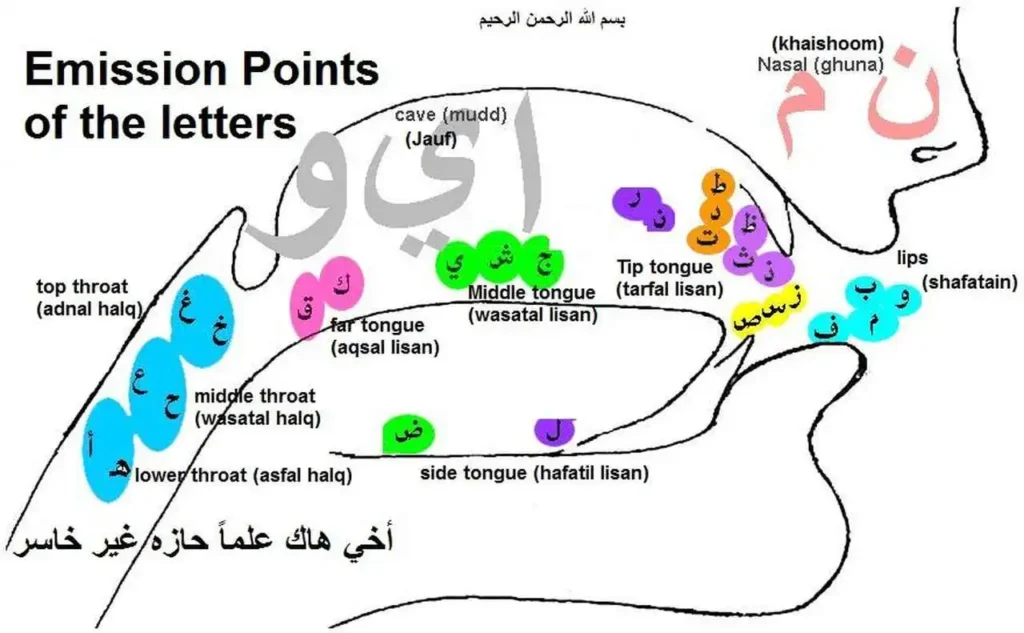
- Correct pronunciation (Makharij)
- Difference between similar letters
- Short vowels (Harakat)
Step 2: Learning Basic Quranic Reading (Noorani or Qaida Method)
Most beginners start with a Qaida (such as Noorani Qaida), which teaches how letters join together to form words.
What Learners Practice:
- Joining letters
- Reading with short and long vowels
- Tanween and Sukoon
- Basic word pronunciation
This stage prepares the learner to read directly from the Mushaf (Quran).
Step 3: Introduction to Tajweed Rules
Tajweed means giving every letter its due rights and characteristics during recitation.
What Is Tajweed and Why Is It Important?
Tajweed ensures that:
- Letters are pronounced from their correct articulation points
- The meaning of verses is preserved
- Recitation matches how the Quran was revealed
Core Tajweed Topics:
- Makharij (articulation points)
- Sifaat (characteristics of letters)
- Rules of Meem Saakinah
- Madd (elongation rules)
Step 4: Learning the Quran With a Qualified Teacher
Although self-study helps, learning with a qualified Quran teacher is highly recommended.
Benefits of Learning With a Teacher:
- Corrects mistakes instantly
- Teaches proper Tajweed practically
- Builds confidence in recitation
- Provides structured learning plans
The Prophet Muhammad (peace be upon him) said:
“The best among you are those who learn the Quran and teach it.”
Why Learning Tajweed Is Essential
This applies especially to non-Arabic speakers and beginners.
Step 5: Daily Quran Practice and Consistency
Consistency is more important than quantity when learning the Quran.
Effective Daily Practice Tips:
- Set a fixed daily time
- Start with short sessions (15–30 minutes)
- Revise previous lessons regularly
- Recite out loud
- Listen to skilled reciters
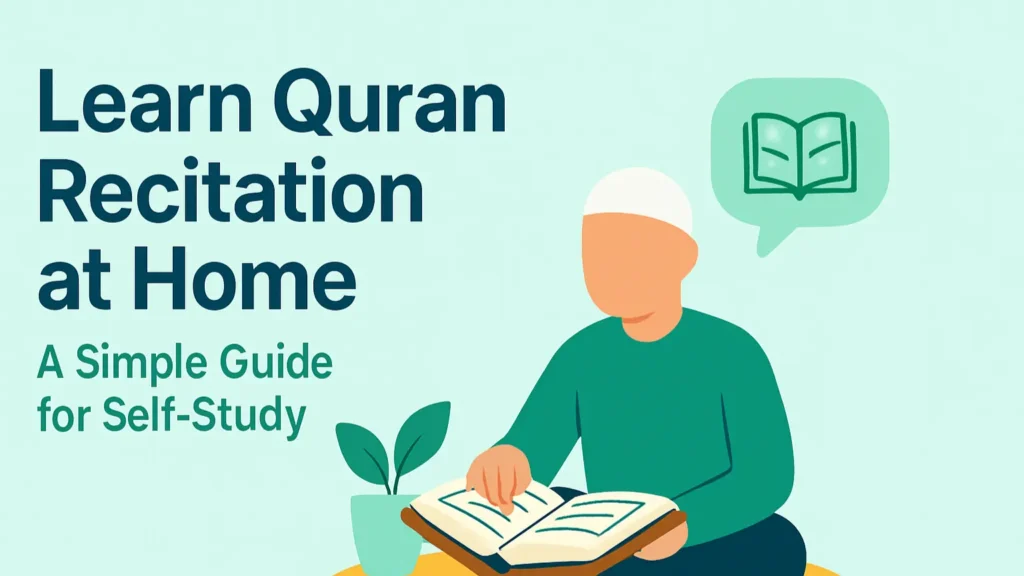
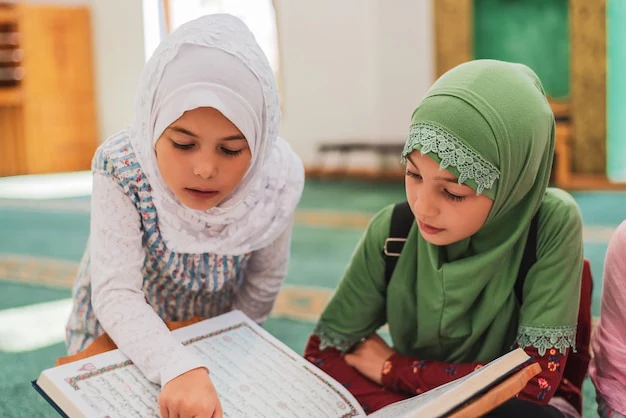
Step 6: Learning Tajweed Through Practice, Not Theory Alone
Tajweed is best learned through listening and repetition.
Best Tajweed Learning Methods:
- Listening to expert reciters
- Repeating verses after a teacher
- Reading color-coded Tajweed Qurans
- Applying rules during real recitation
Theory supports practice—but practice perfects Tajweed.
Step 7: Understanding the Quran Alongside Recitation
While Tajweed focuses on pronunciation, understanding the Quran strengthens spiritual connection.
Ways to Improve Understanding:
- Read translations in your language
- Learn basic Quranic Arabic vocabulary
- Study Tafsir with a teacher
- Reflect on verses after recitation
Understanding enhances khushu‘ (focus) in prayer and daily life.
Learning the Quran and Tajweed for Children
Children learn faster when the process is:
- Interactive
- Gentle and encouraging
- Consistent
- Based on repetition
Early Quran education helps children develop:
- Strong Islamic identity
- Love for the Quran
- Correct pronunciation from a young age
Common Mistakes When Learning Quran and Tajweed
- Skipping Tajweed entirely
- Rushing through lessons
- Not revising regularly
- Learning without correction
- Giving up due to slow progress
Remember: learning the Quran is a lifelong journey, not a race.
Conclusion: The Quran Is Learned With Patience and Sincerity
Learning the Holy Quran and Tajweed is a journey of the tongue, mind, and heart. With sincerity, consistency, and proper guidance, every Muslim—regardless of age or background—can learn to recite the Quran beautifully and correctly.
By:
- Starting with the basics
- Learning Tajweed properly
- Practicing daily
- Seeking qualified guidance