
Learning Arabic online has become one of the most effective and accessible ways to master one of the world’s most influential languages. Arabic is the language of the Holy Quran, spoken by hundreds of millions of people, and essential for anyone seeking a deeper understanding of Islamic studies, culture, and communication across the Arab world.
This comprehensive guide explains how to learn Arabic online, the best methods for beginners, and how to stay consistent and motivated throughout your learning journey.
Online Arabic learning offers flexibility, accessibility, and personalized instruction that traditional classrooms often cannot provide.
- Learn from anywhere in the world
- Flexible schedules for adults and children
- Access to native Arabic teachers
- Recorded lessons for revision
- One-to-one or group classes
- Affordable learning options
Online learning is ideal for students, professionals, parents, and children alike.
Before starting, it’s important to know that Arabic has different forms.
- Modern Standard Arabic (MSA) – Used in books, news, and formal writing
- Quranic Arabic – Language of the Quran and classical Islamic texts
- Spoken Dialects – Such as Egyptian, Gulf, or Levantine Arabic
For beginners, Modern Standard Arabic is usually the best place to start.
Clear goals help guide your learning process and keep you motivated.
- Reading and understanding the Quran
- Speaking Arabic fluently
- Understanding Islamic texts
- Traveling or working in Arab countries
- Teaching Arabic to children
Your goal determines what kind of Arabic and how intensively you should study.
The Arabic alphabet is the foundation of the language and must be learned correctly from the beginning.
- 28 Arabic letters
- Letter shapes in different positions
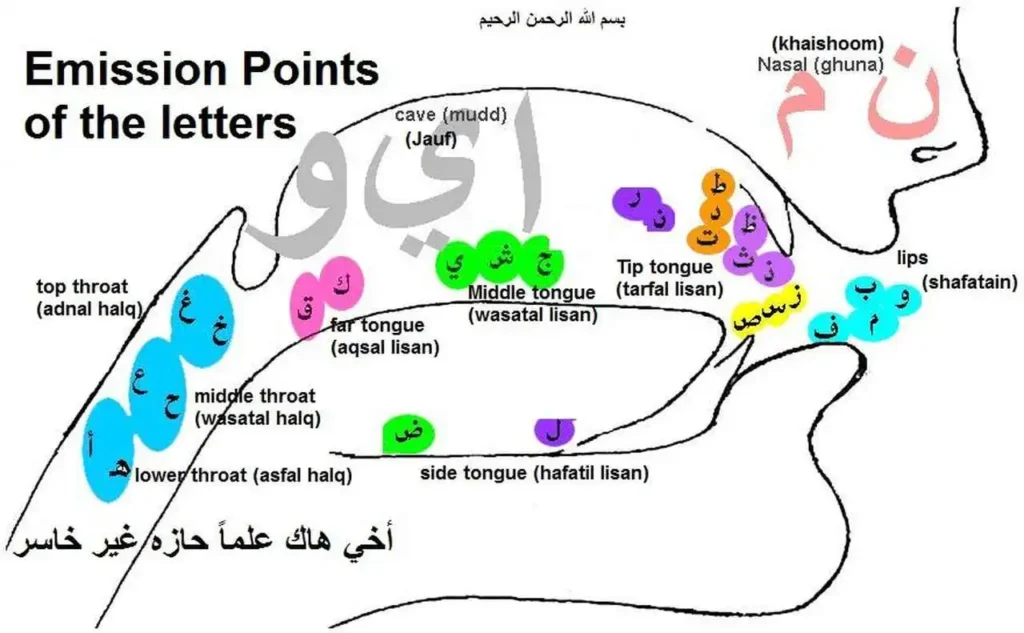
- Correct pronunciation (Makharij)
- Short vowels (Harakat)
- Long vowels (Madd)
This stage prepares the learner to read directly from the Mushaf (Quran).
Once you know the alphabet, the next step is learning how letters join to form words.
- Connecting letters
- Reading simple words
- Writing Arabic from right to left
- Recognizing common word patterns
Online interactive exercises and guided lessons make this step much easier.
Vocabulary and grammar are the building blocks of communication.
- Nouns and gender (masculine/feminine)
- Singular and plural forms
- Pronouns
- Basic sentence structure
- Common verb patterns
- Learn words in context
- Focus on daily-use words
- Revise vocabulary regularly
While self-study helps, a qualified teacher accelerates progress and ensures accuracy.
- Native or fluent speakers
- Correct pronunciation guidance
- Structured lesson plans
- Instant feedback
- Customized learning pace
This is especially important for non-Arabic speakers and beginners.
Listening and speaking are essential skills that must be practiced regularly.
- Listening to native Arabic speakers
- Repeating phrases aloud
- Engaging in live conversations
- Watching Arabic educational videos
- Participating in online speaking sessions
Consistency is the key to success when learning Arabic online.
- Study 20–30 minutes daily
- Set a fixed study time
- Review previous lessons
- Practice speaking even if alone
- Track your progress
Small, regular effort leads to lasting results.
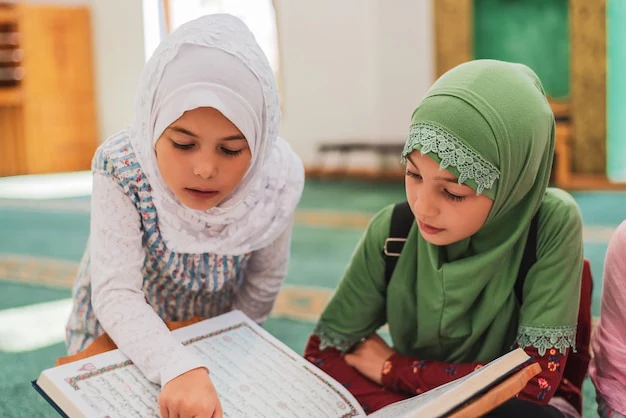
Children learn Arabic best through:
- Interactive lessons
- Visual aids
- Repetition
- Short sessions
- Encouragement and praise
Online Arabic programs designed for children make learning enjoyable and effective.
- Skipping pronunciation practice
- Learning without structure
- Focusing only on grammar
- Inconsistent study habits
- Expecting fast results
Arabic is a rich language that requires patience and persistence.
Learning Arabic online opens the door to understanding the Quran, Islamic knowledge, and a rich global culture. With the right guidance, clear goals, and consistent practice, anyone—regardless of age or background—can successfully learn Arabic online.
- Starting with the alphabet
- Learning step by step
- Practicing regularly
- Learning from qualified teachers