
The Quran is the final divine revelation sent by Allah to humanity, serving as a complete guide for faith, worship, morals, and daily life. Revealed to Prophet Muhammad (peace be upon him) over a period of 23 years, the Quran holds unparalleled importance and sanctity in Islam.
This article explores the Quran’s revelation, the first surah revealed, its significance to Muslims, and why reading the Quran with Tajweed is essential for proper understanding and spiritual connection.
This article explores the Quran’s revelation, the first surah revealed, its significance to Muslims, and why reading the Quran with Tajweed is essential for proper understanding and spiritual connection.
The Quran is the literal word of Allah, revealed in the Arabic language through the Angel Jibreel (Gabriel). It is preserved exactly as it was revealed, without alteration, and memorized by millions of Muslims across generations.
- Revealed in classical Arabic
- Contains 114 surahs (chapters)
- Combines belief, law, guidance, stories, and ethics
- Recited daily in all five daily prayers
The revelation of the Quran began during a moment of deep reflection and spiritual solitude in the life of the Prophet Muhammad (peace be upon him).
At the age of 40, the Prophet would frequently retreat to the Cave of Hira, near Makkah, to reflect and worship Allah.
The first revelation consisted of the opening verses of Surah Al-Alaq.
“Read in the name of your Lord who created…” (Quran 96:1)
- Marks the beginning of prophethood
- Emphasizes knowledge, learning, and reflection
- Establishes the connection between faith and education
The Quran was revealed gradually over 23 years:
- 13 years in Makkah – focusing on faith, monotheism, and morality
- 10 years in Madinah – focusing on laws, worship, and social structure
This gradual revelation allowed:
- Easy memorization
- Practical application
- Spiritual growth alongside life events
To Muslims, the Quran is not merely a book—it is sacred, divine, and eternal.
- It is the direct speech of Allah
- Must be handled with respect and cleanliness
- Recited in acts of worship
- Preserved by divine promise
“Indeed, We have sent down the Reminder, and indeed, We will preserve it.” (Quran 15:9
Reading the Quran is one of the most rewarding acts of worship in Islam.
- Strengthens faith (Iman)
- Brings peace and tranquility to the heart
- Earns rewards for every letter recited
- Provides guidance for daily life
The Prophet Muhammad (peace be upon him) said:
“The best among you are those who learn the Quran and teach it.”
Tajweed refers to the rules governing the correct pronunciation of Quranic letters and words.
- Correct articulation of letters (Makharij)
- Proper elongation (Madd)
- Preservation of meaning
- Beautification of recitation
- A slight mispronunciation can change the meaning
- The Quran was revealed to be recited correctly
- Following Tajweed honors the words of Allah
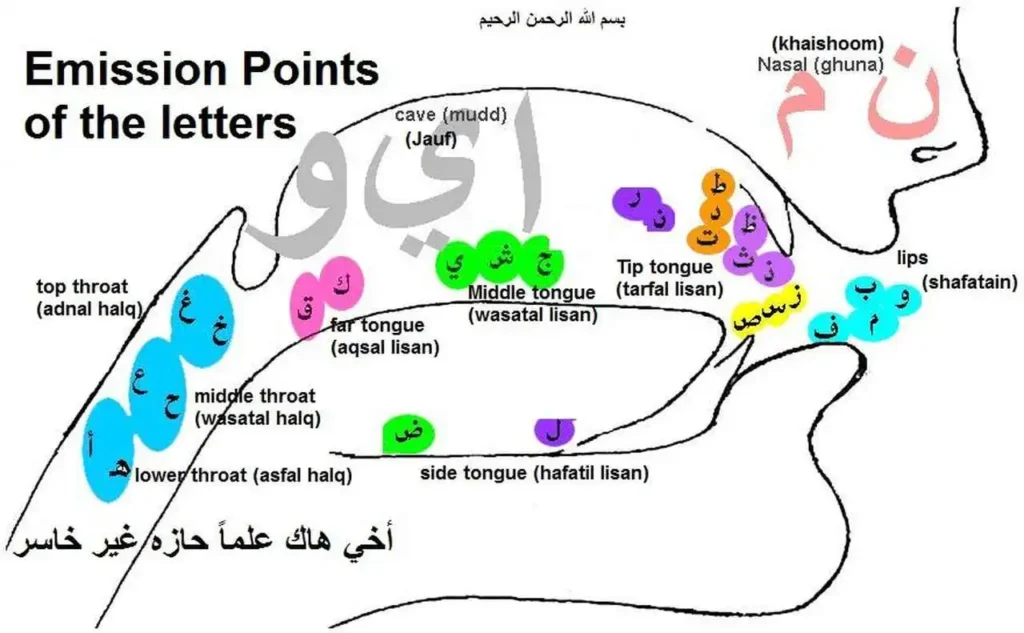
Learning Tajweed allows Muslims to recite the Quran as it was revealed, just as the Prophet Muhammad (peace be upon him) recited it.
- Better comprehension
- Deeper spiritual connection
- Increased humility and focus in prayer
For non-Arabic speakers, learning Tajweed alongside translation and explanation (Tafsir) is especially important to truly connect with the Quran’s message.
The Quran is a complete guide for humanity, a source of light, mercy, and wisdom. From its first revelation in the Cave of Hira to its recitation today across the world, it remains unchanged and deeply relevant.
By:
- Reading the Quran regularly
- Learning Tajweed correctly
- Teaching it to future generations
Muslims strengthen their relationship with Allah and ensure the Quran remains a living guidance, not just a text.